New Zealand’s Animal Welfare Act is intended to ensure animals are properly cared for and protected from avoidable suffering. However, the conditions repeatedly seen on intensive winter grazing farms often conflict with these requirements.
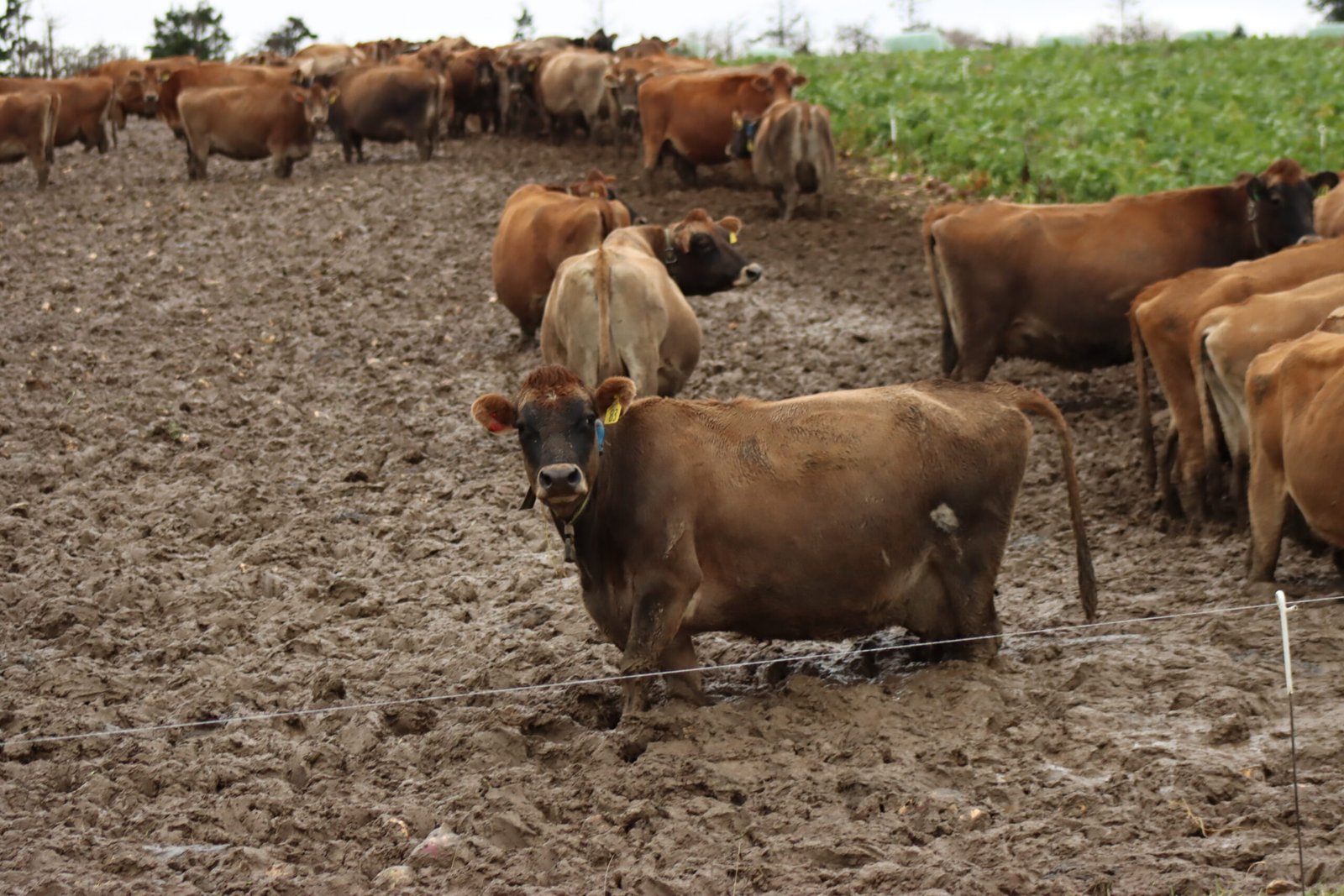
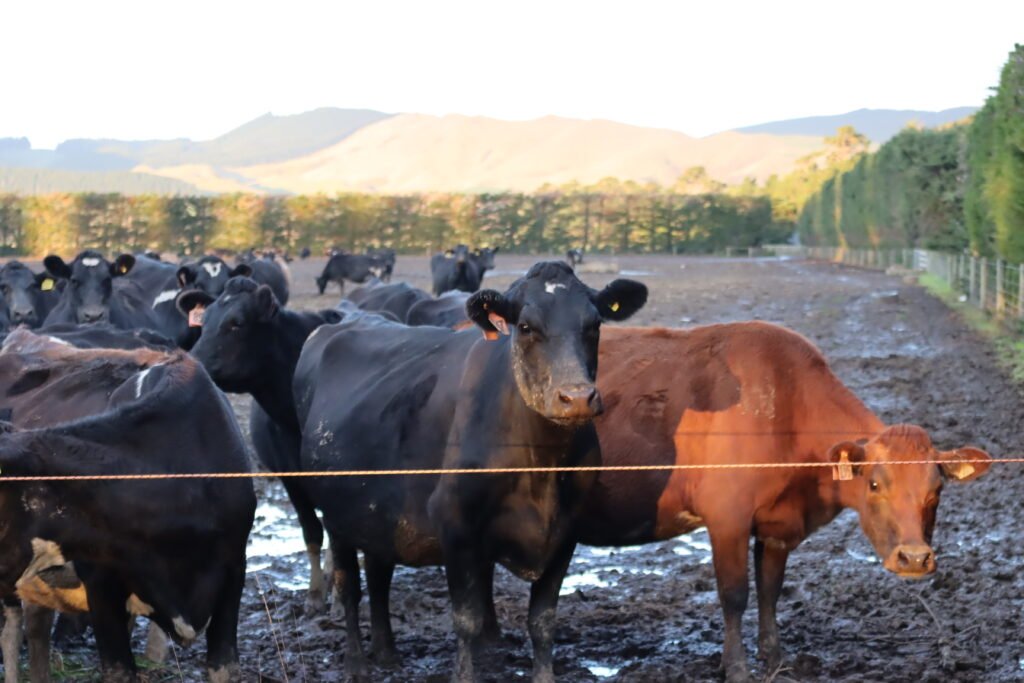
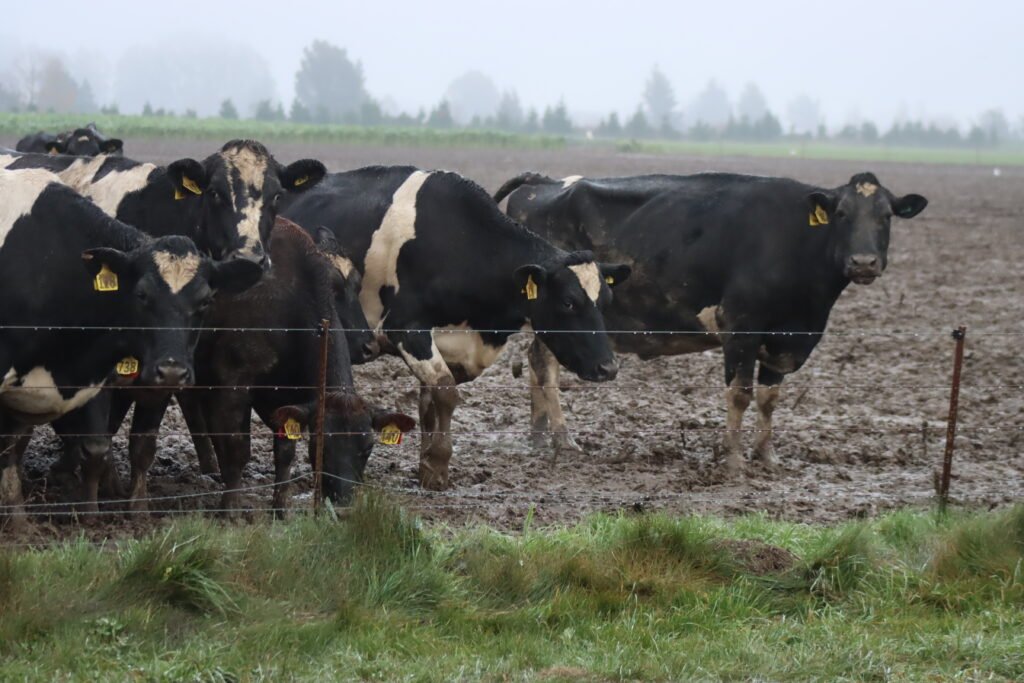
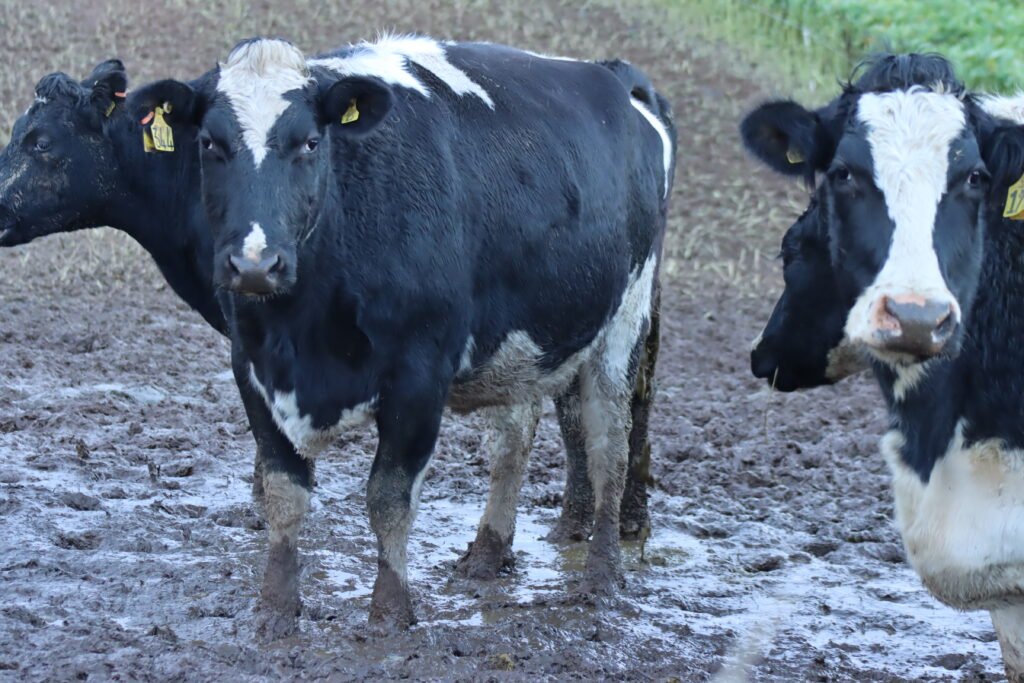
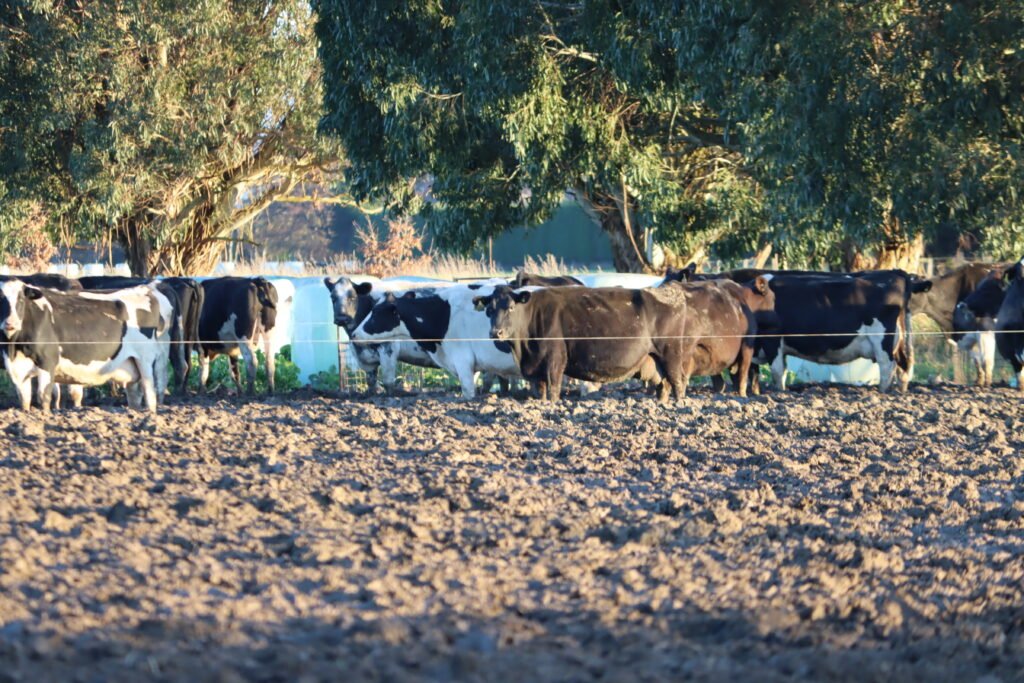
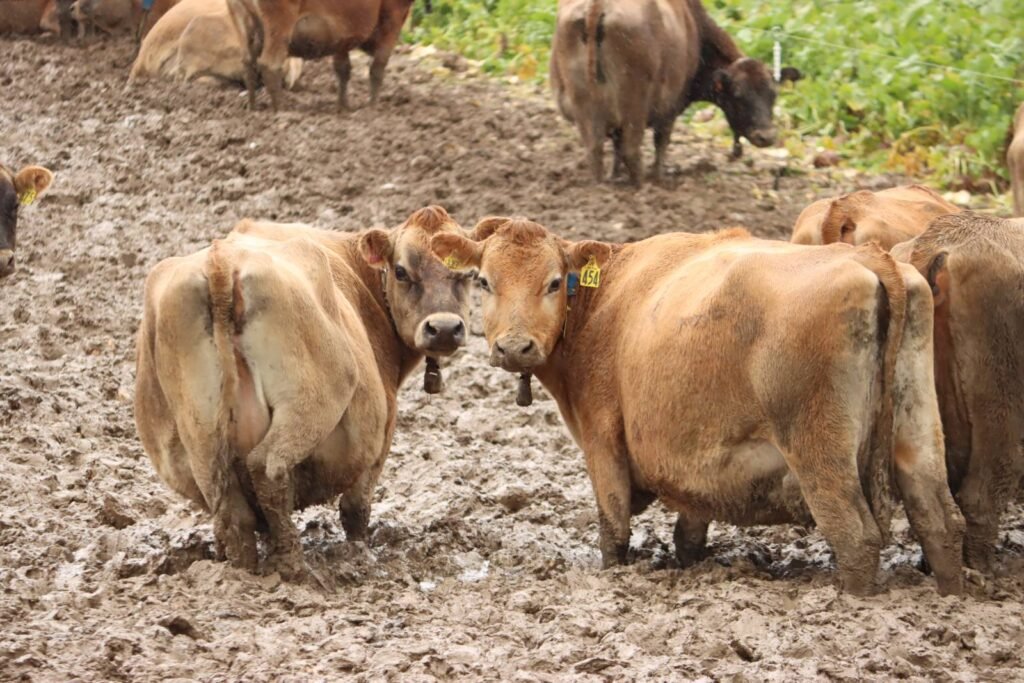
Animals left standing in deep mud can suffer cold stress, exhaustion, injury, infection, and prolonged discomfort, with limited access to dry ground or shelter. In severe cases, animals become trapped or too weak to move effectively through heavily churned paddocks.
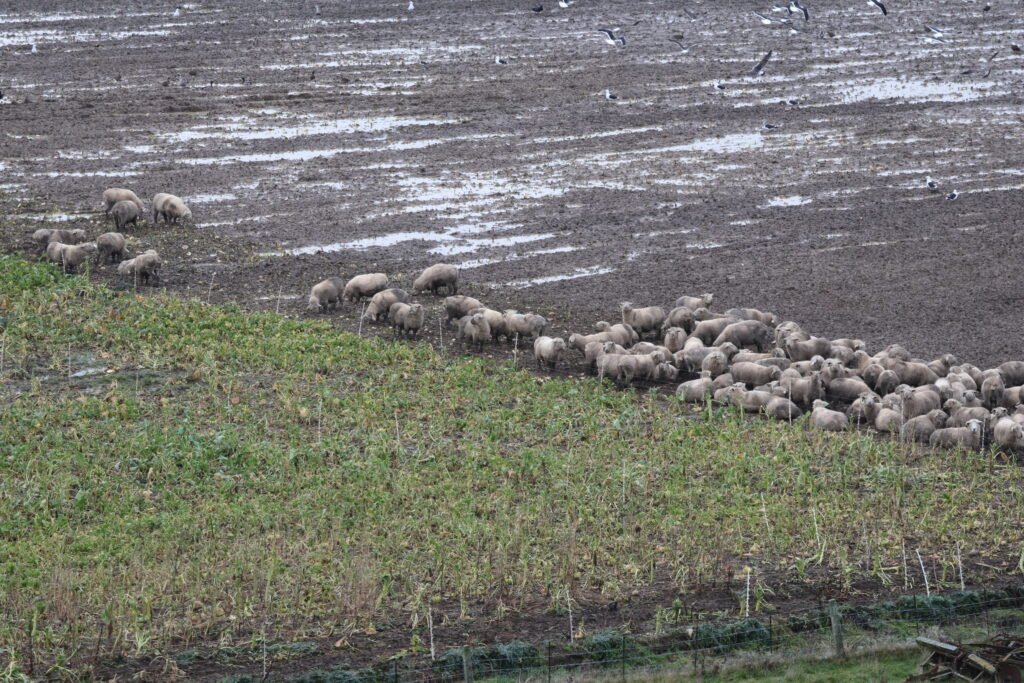
Mud farming is also widely criticised for its environmental impact. Trampled, waterlogged soils lose structure and are easily eroded, while runoff carrying sediment and animal waste can contaminate nearby rivers and streams. This contributes to declining water quality and damage to freshwater ecosystems.
The Ministry for Primary Industries (MPI), which is responsible for enforcing the Animal Welfare Act, has long been aware of these issues through repeated reports and investigations. However, enforcement has often been inconsistent, allowing harmful practices to continue despite existing legal standards.
The problem extends beyond individual farms. It reflects a wider agricultural system that continues to permit both animal suffering and environmental degradation with limited accountability.