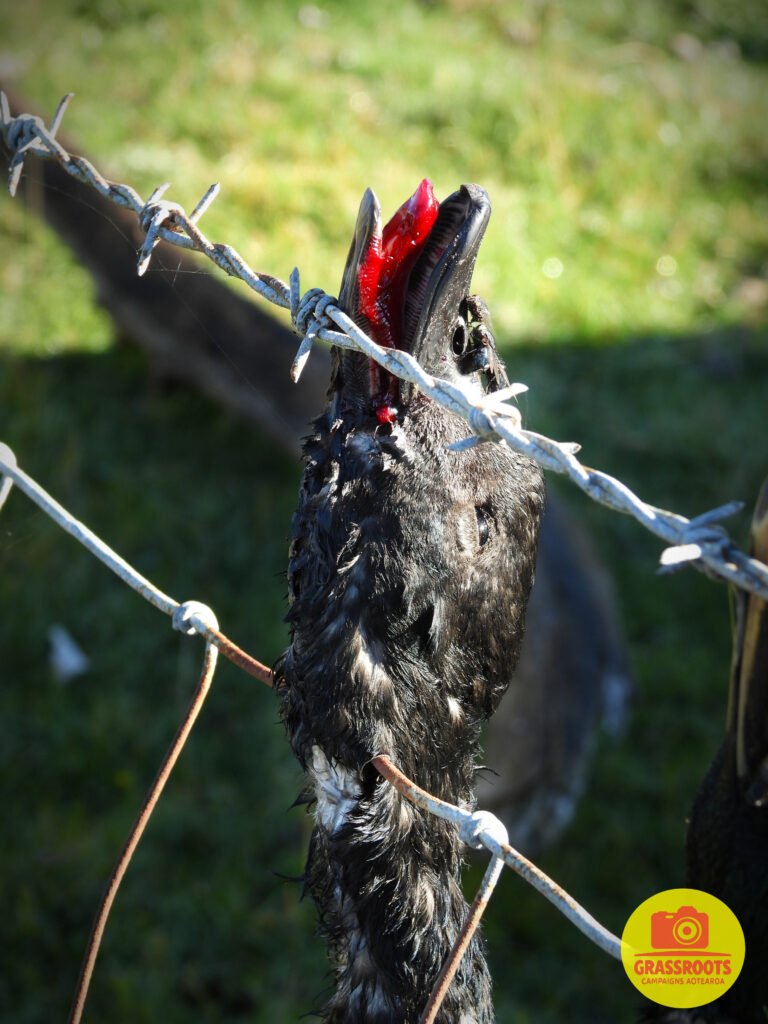
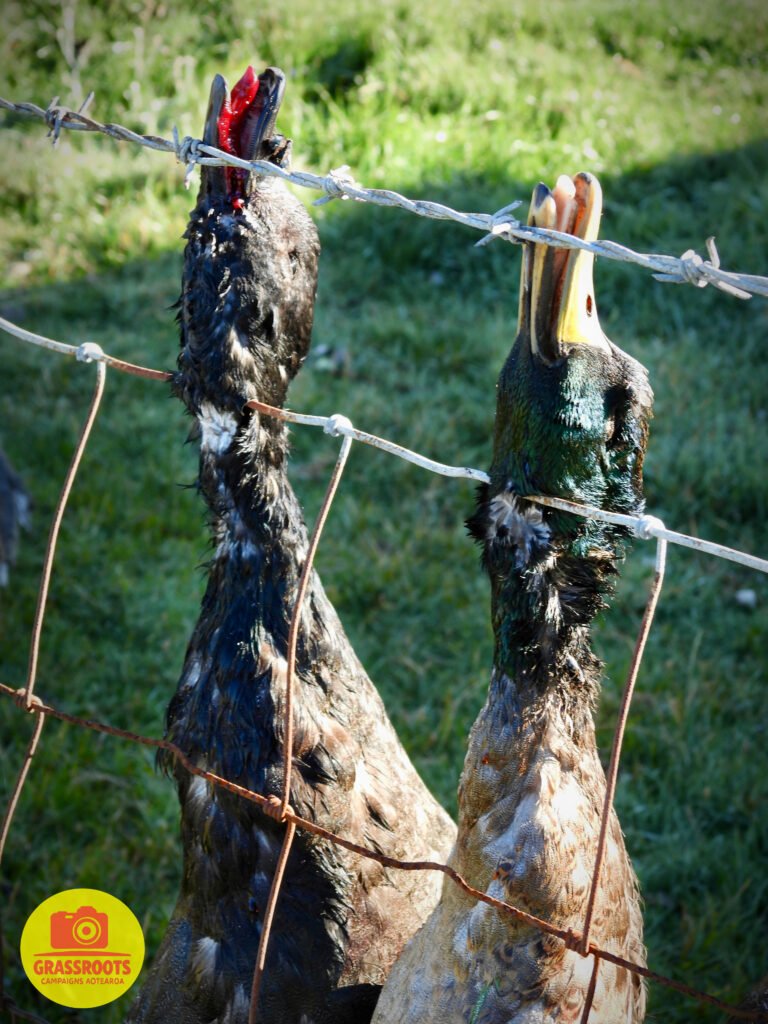
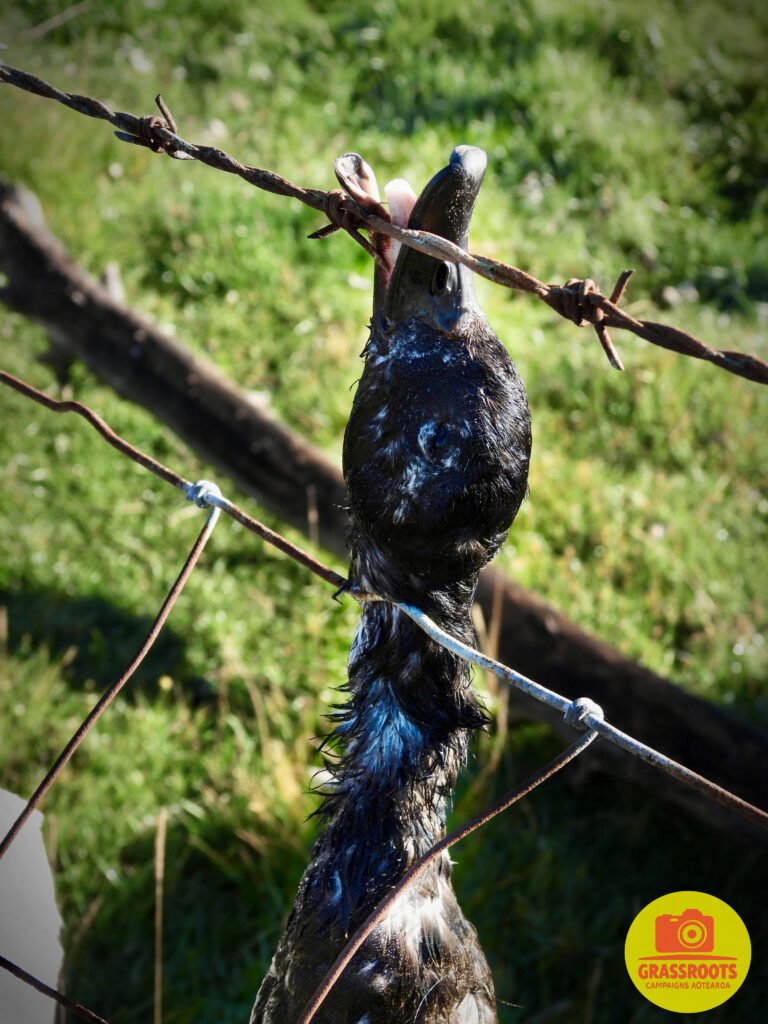
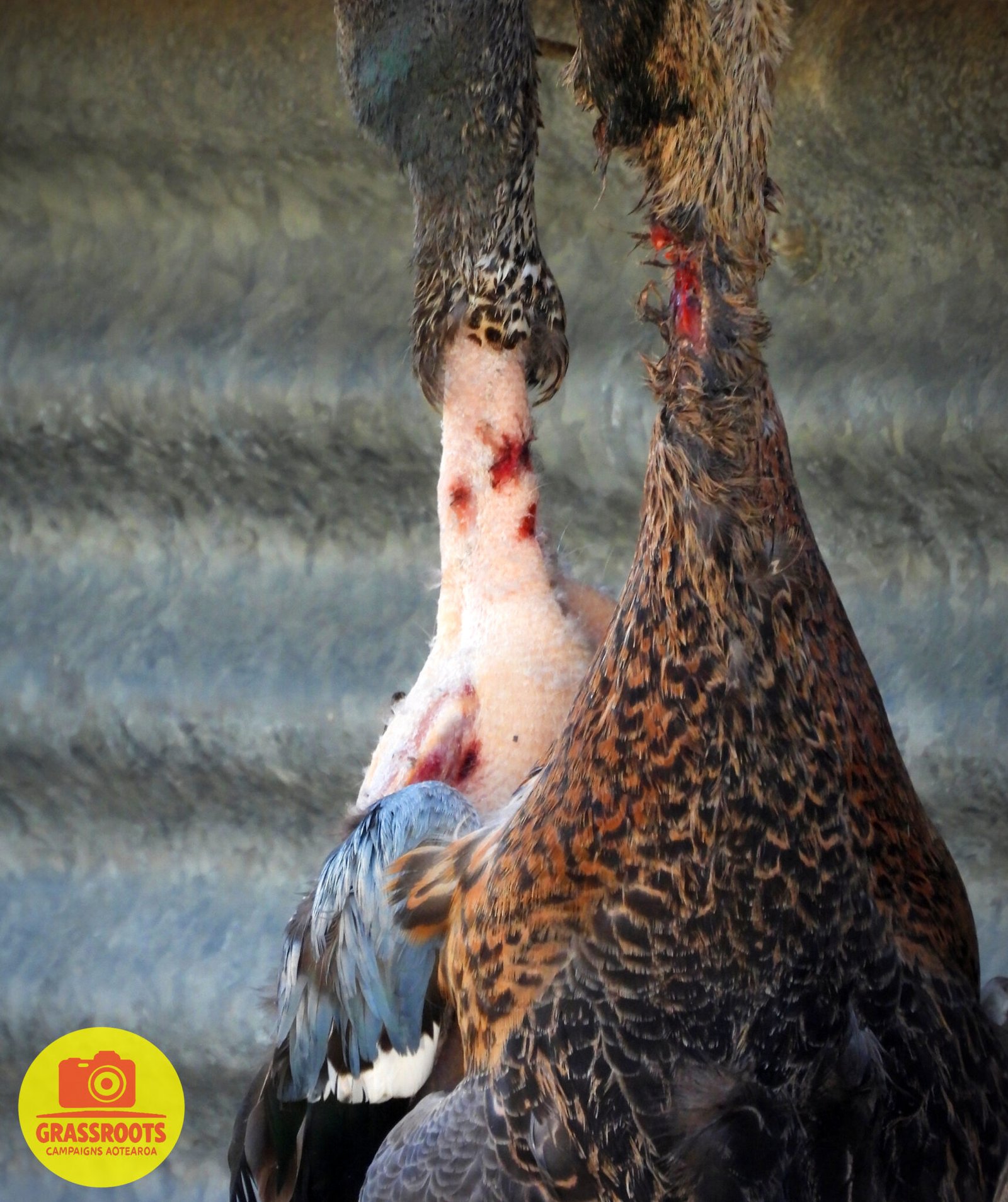
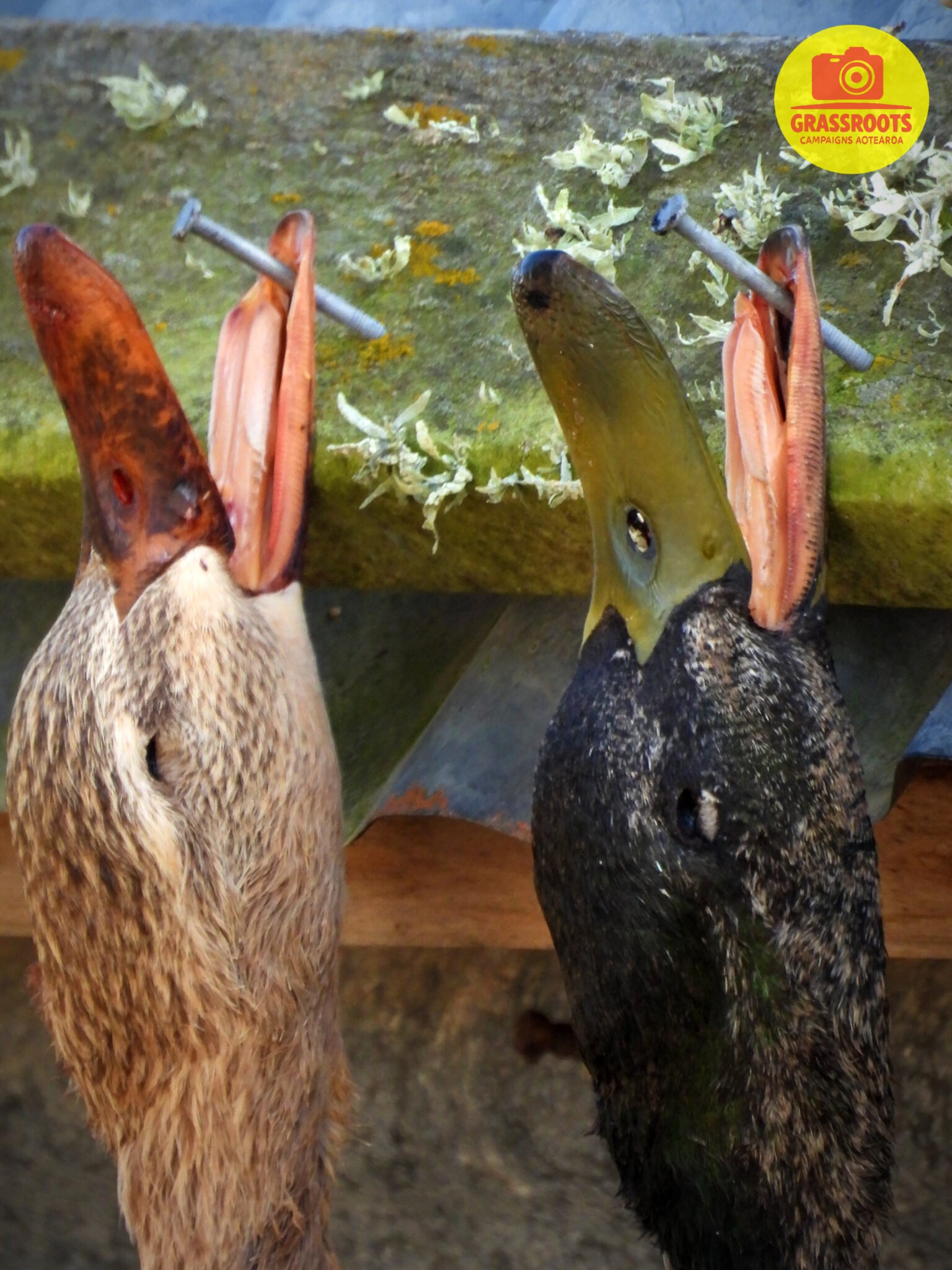
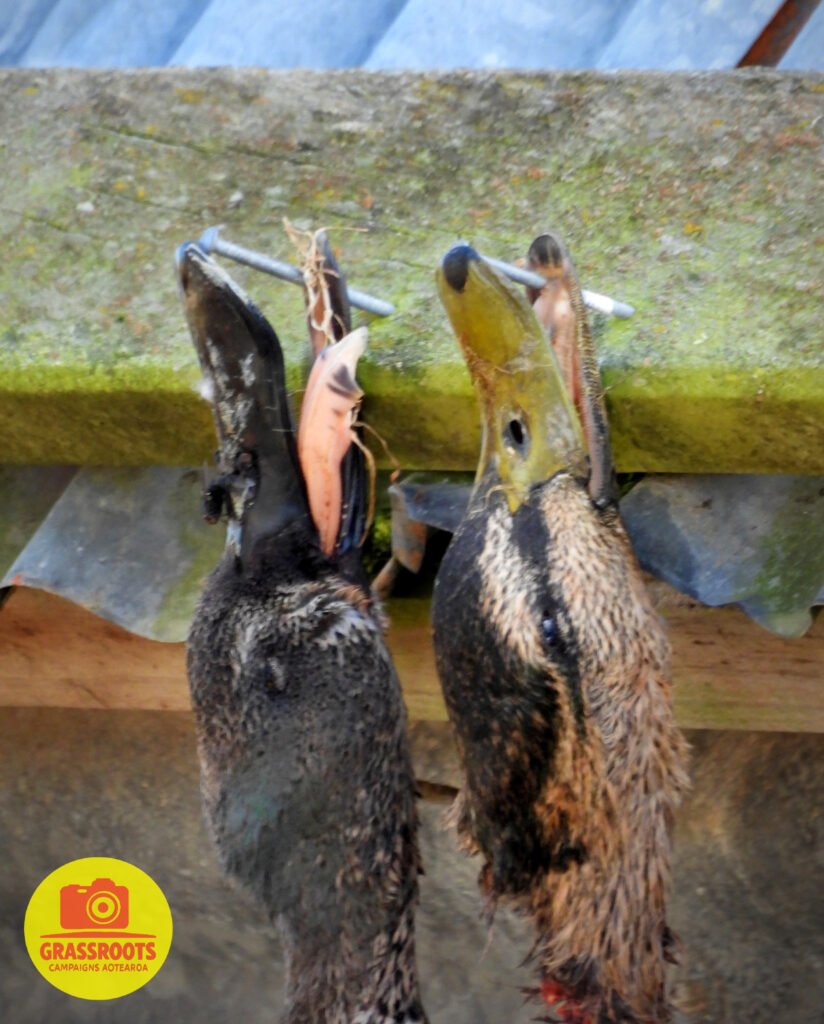
Research from Australia indicates that as many as one in four ducks shot are not killed instantly. Instead, many crash wounded to the ground and endure prolonged suffering before eventually dying. Ducks, much like geese and swans, are capable of forming long-term pair bonds, and when one partner is killed, the surviving bird can display clear signs of distress and loss.
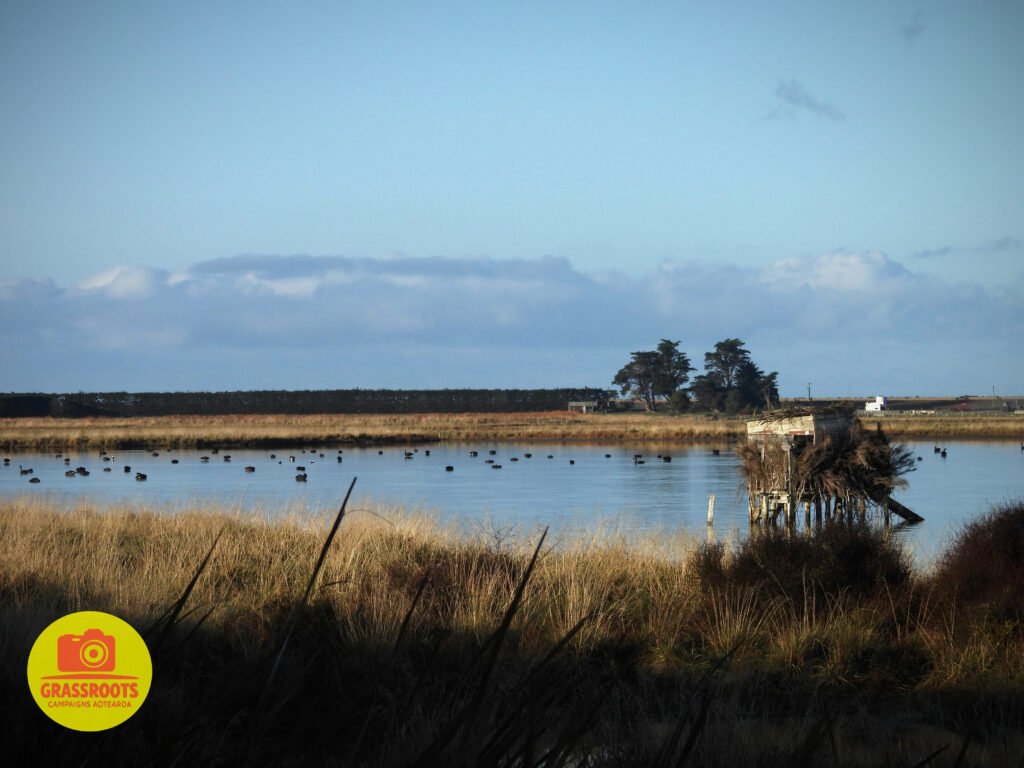
The issue of overcrowding is hardly the fault of ducks themselves. Nearly 90 percent of Aoteara New Zealand’s natural wetlands have disappeared, largely due to intensive farming and land development. After destroying much of their habitat, society then turns around and blames the birds for the pressures they face.
Debate around protecting the wetlands that remain is often deeply conflicted. Many hunters position themselves as defenders of wetland conservation – not necessarily out of concern for ecosystems, but to ensure future generations of game birds remain available for recreational shooting.
Even species considered common, such as the mallard, are increasingly affected by habitat loss, introduced predators, excessive hunting pressure, and the growing impacts of climate-driven extreme weather.
Native Ducks Are Shot Accidentally
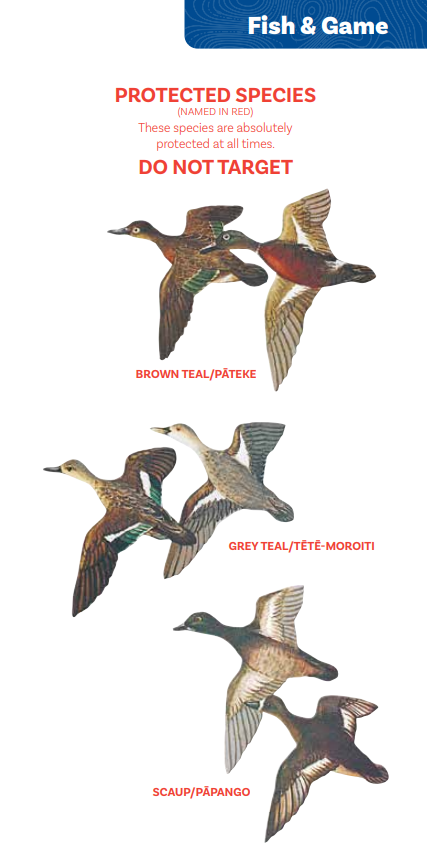
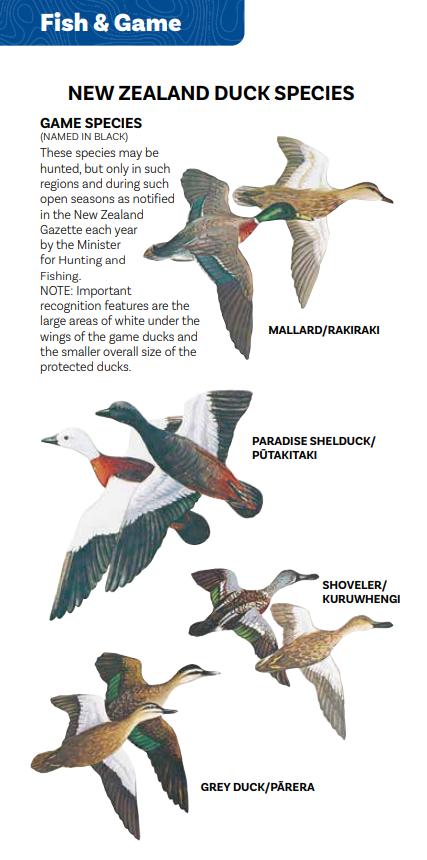
As shown above, it can be extremely difficult to distinguish native ducks from non-native species. Now imagine ducks flying rapidly overhead while hunters, hyped up and ready to shoot, attempt to identify them in seconds.
The grey duck is a protected native species that is already in significant decline. Extensive hybridisation with mallards has made identification even more difficult. Both male and female grey ducks closely resemble female mallards, although true grey ducks typically display stripes extending from the bill over the head. The strong visual similarity between species is itself a compelling reason to end recreational duck shooting altogether.
Duck shooting is not merely tolerated within mainstream culture – it is often actively glorified. Media coverage routinely depicts hunters in camouflage filling maimais with crates of alcohol, while young children, dressed to mirror their parents, proudly announce they have killed their first duck, often without any understanding of the suffering involved or the value of the life taken.
Legally, the contradictions are glaring. The countless ducks left wounded and dying after shoots stand in direct conflict with the principles of humane treatment outlined in the Animal Welfare Act. Yet the practice continues under outdated legislation. The Wildlife Act 1953, in particular, is long overdue for serious reform and modernisation.
Grey Teal
The grey teal nests near its favoured freshwater lakes and marshes, usually on the ground, but also in tree holes or rabbit burrows. Their fondness for nesting in hollow trees has led sportsmen and women to put up thousands of nesting boxes to encourage an increase in numbers. But their numbers will have to be raised still further to justify a limited hunting season.
Grey teal are a mottled brown duck with white and green flashes on their wings. They are a vocal duck, especially at night. The male gives a soft preep, and the female has a loud quack.