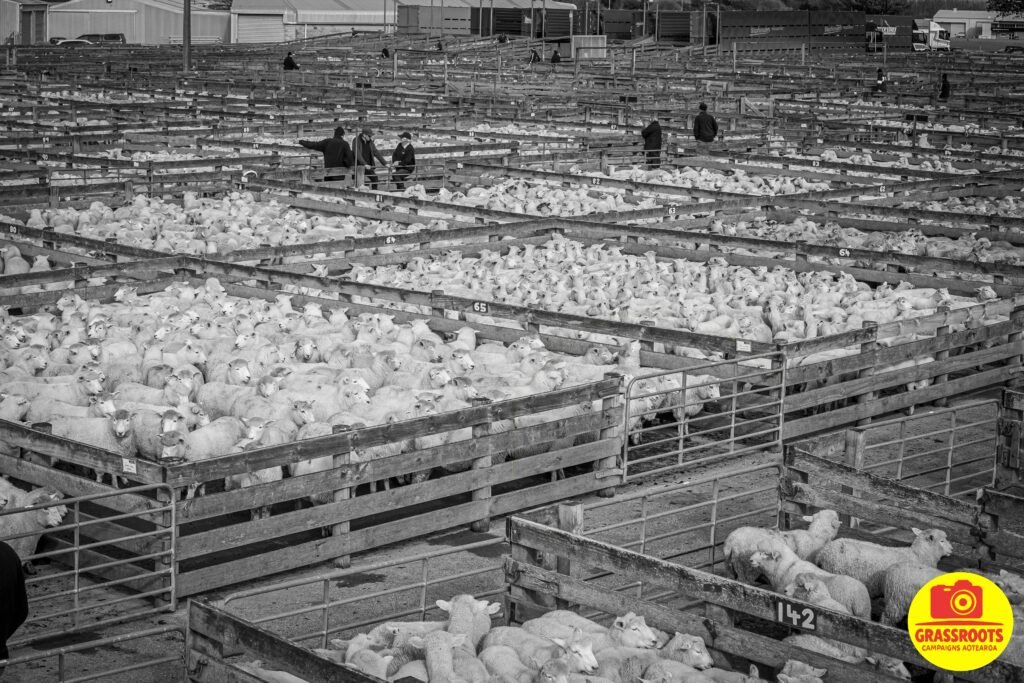
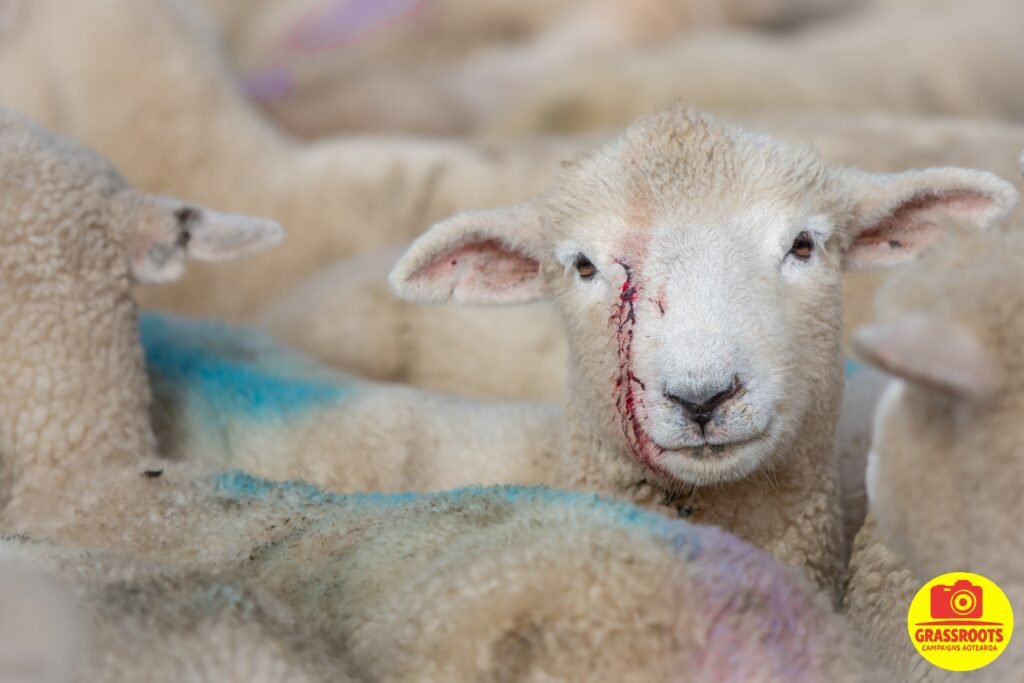
More than 23 million sheep are farmed across Aotearoa New Zealand, with some of the largest operations managing flocks numbering in the tens of thousands. At this scale, sheep are often treated as aggregated production units rather than as individual animals, making meaningful welfare oversight difficult in practice.
Many farms operate largely out of public view, while animal welfare enforcement resources remain limited. With only a relatively small number of inspectors responsible for monitoring the entire country, large parts of the industry are effectively self-regulated on a day-to-day basis.
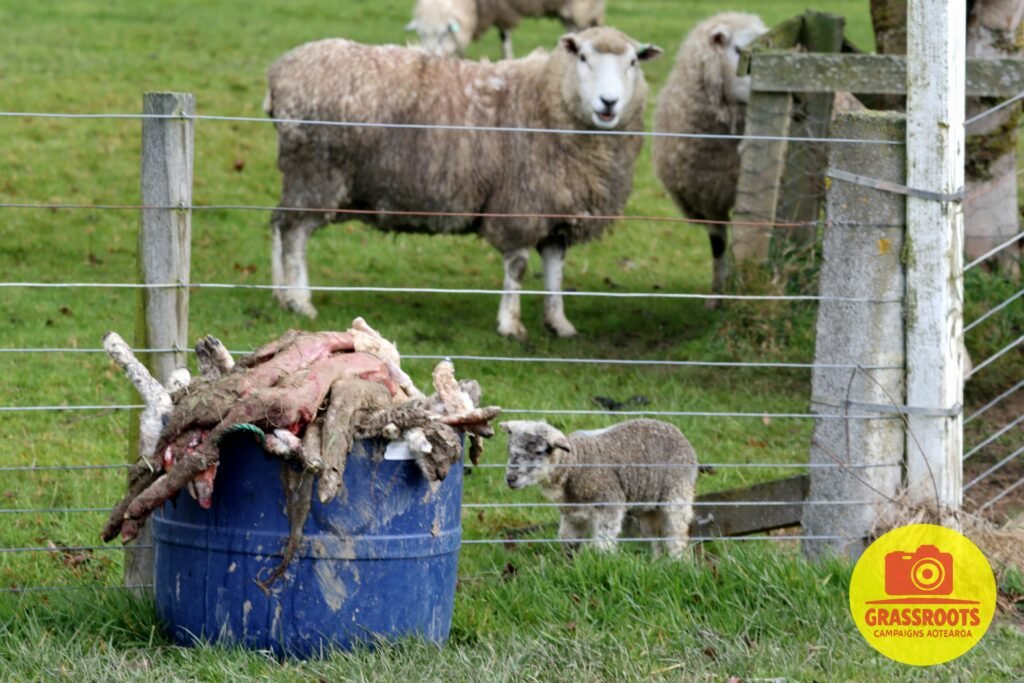
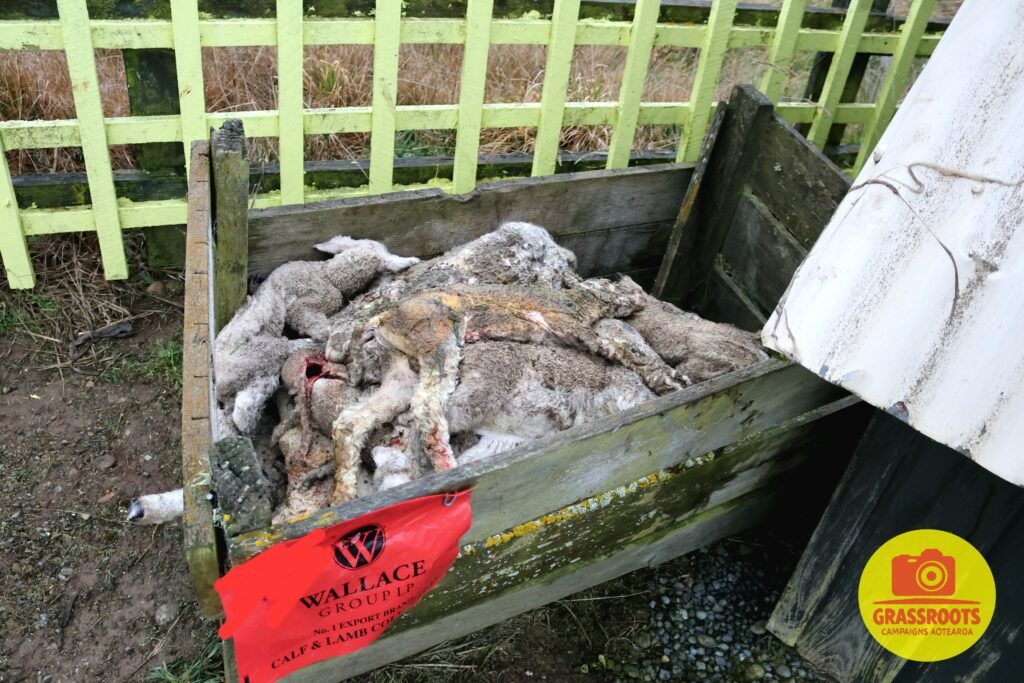
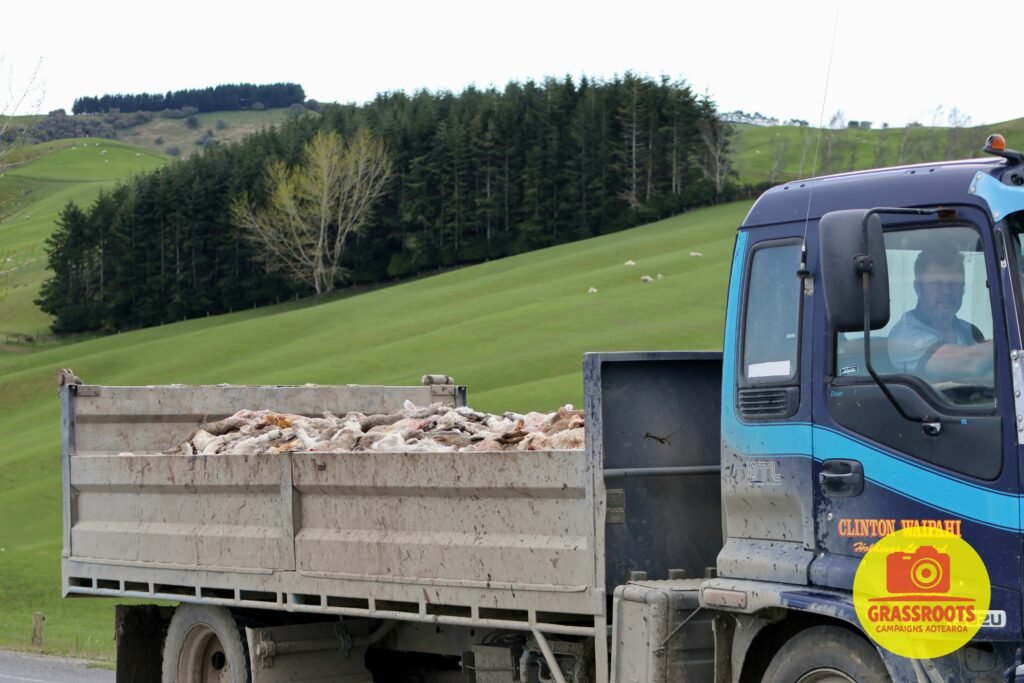
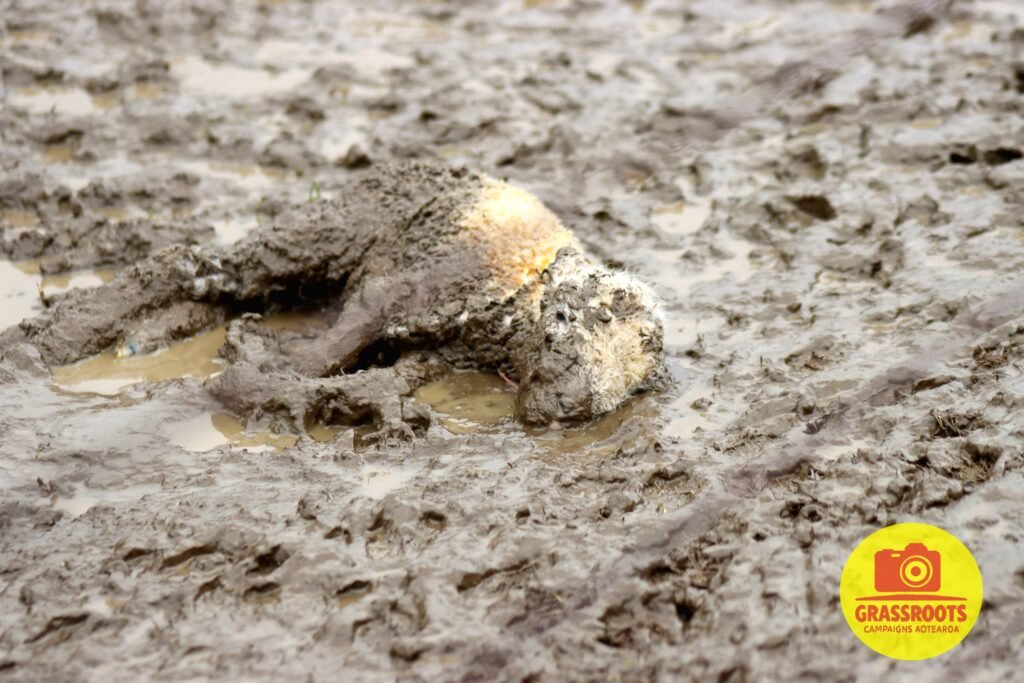
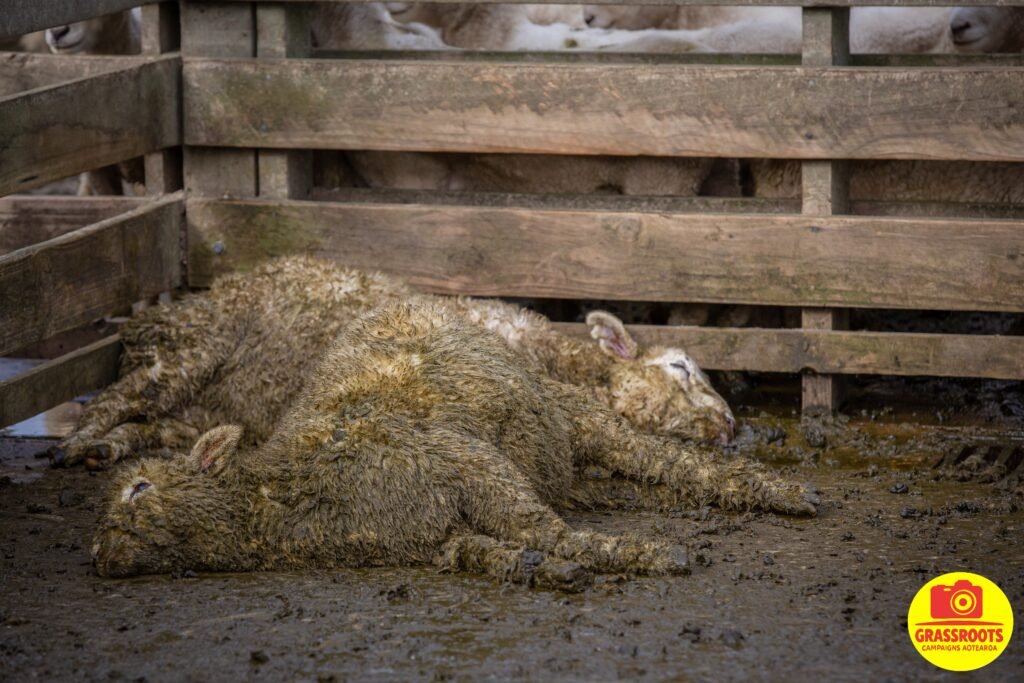
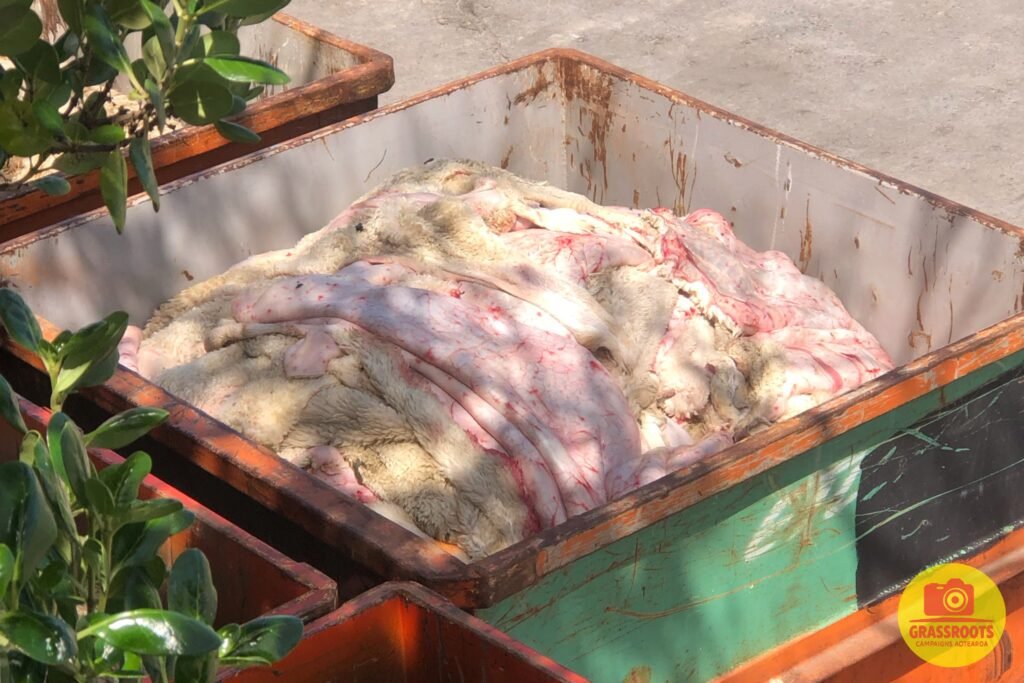
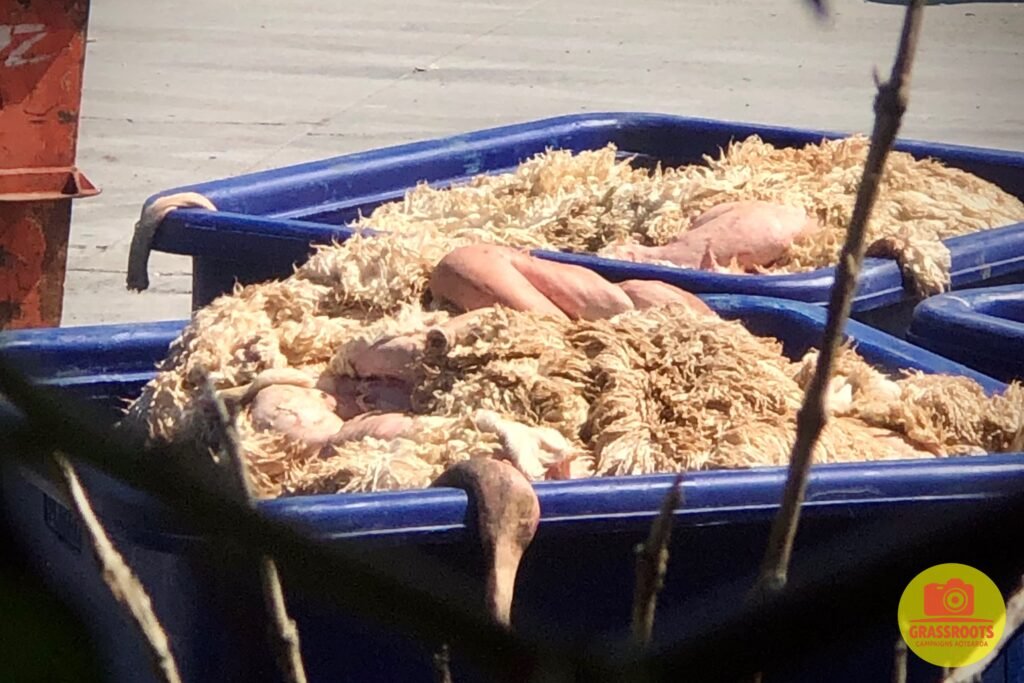
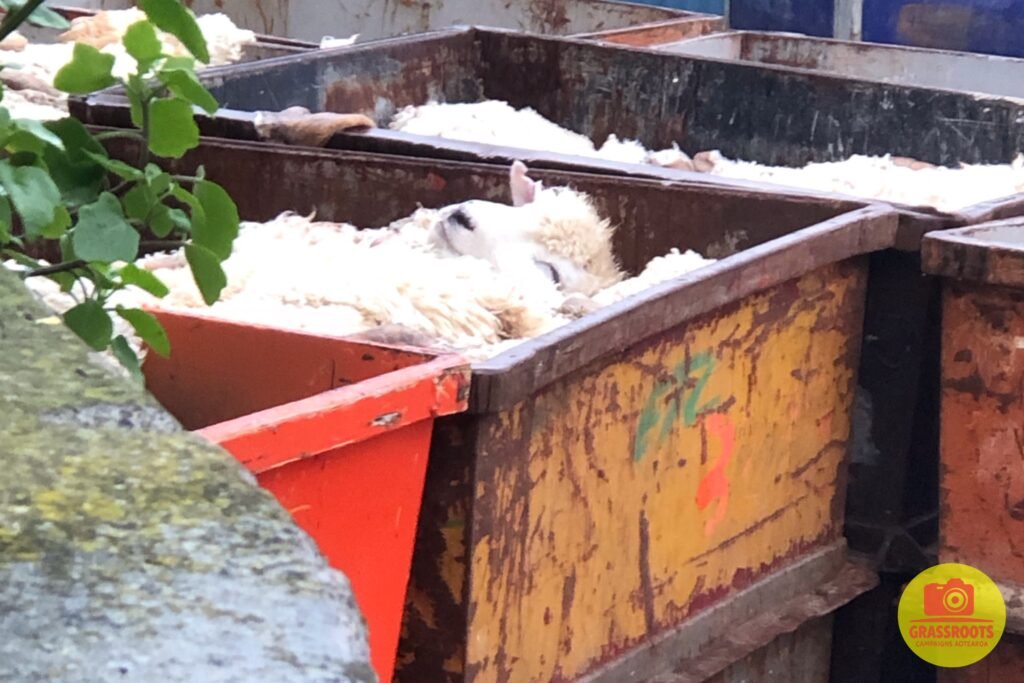
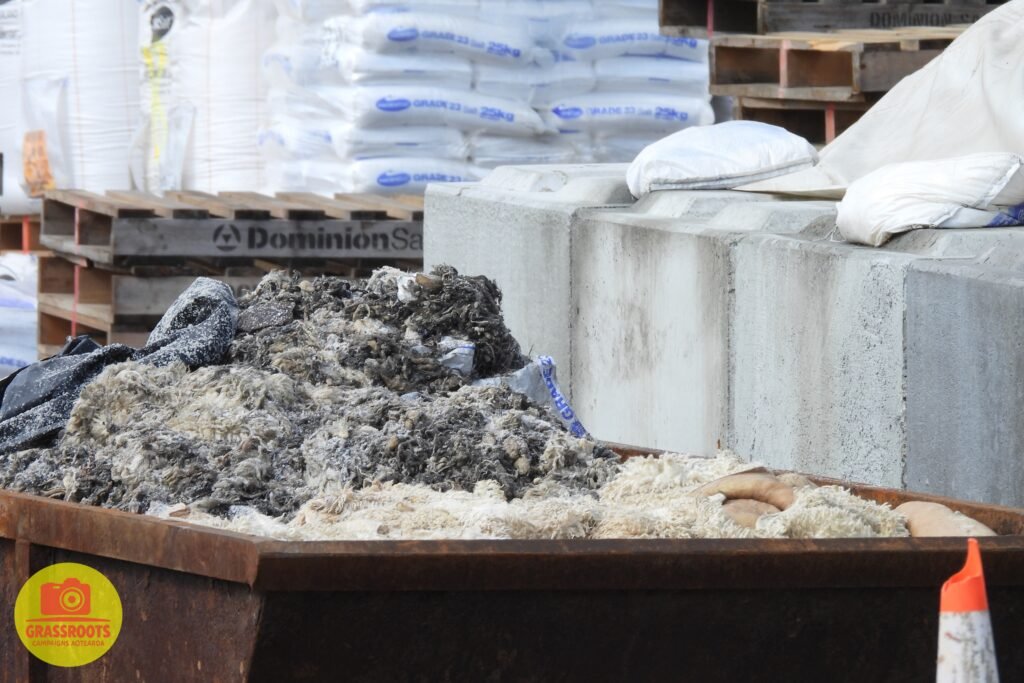
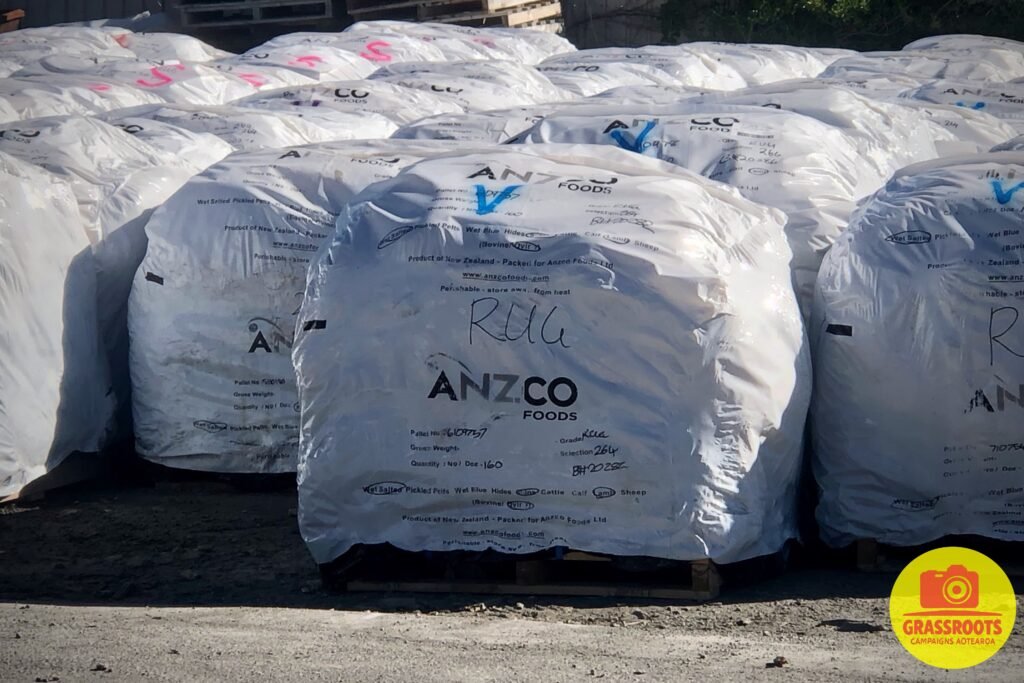
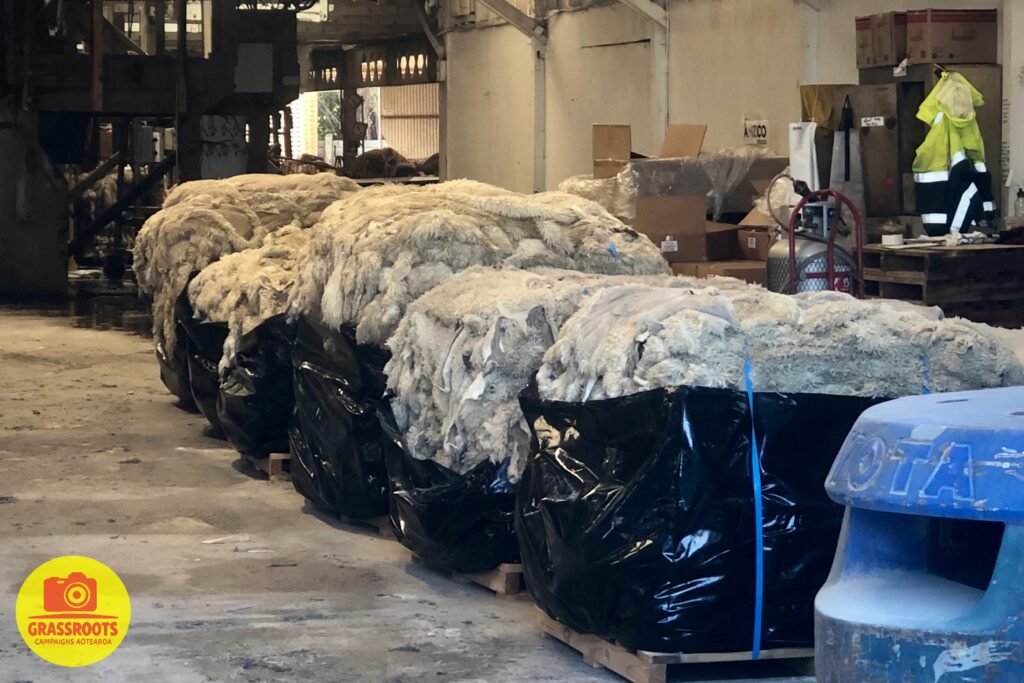
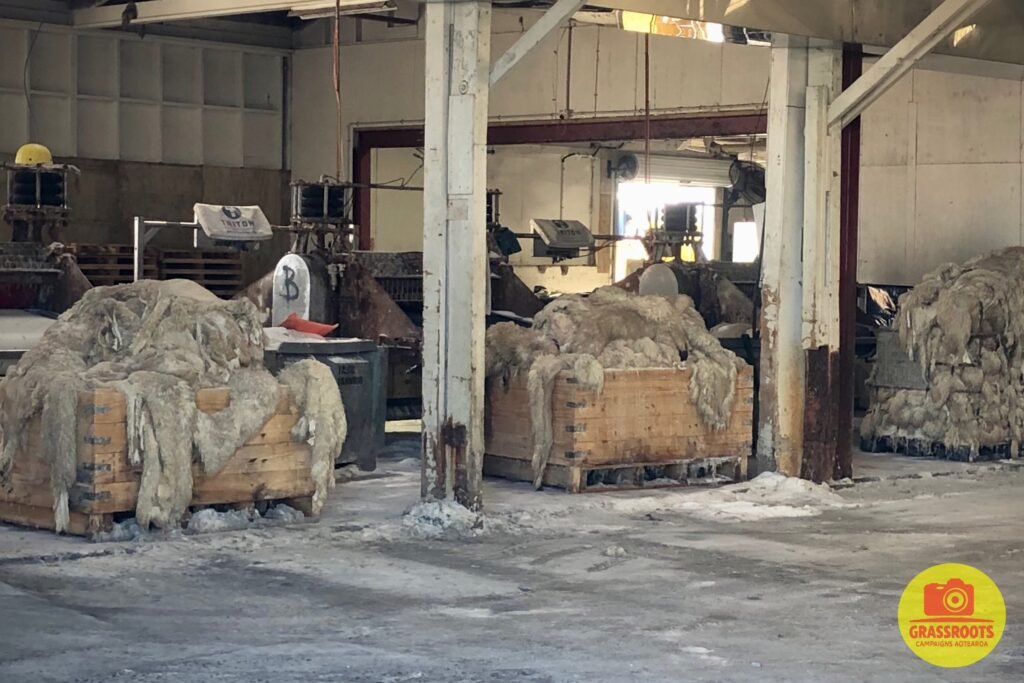
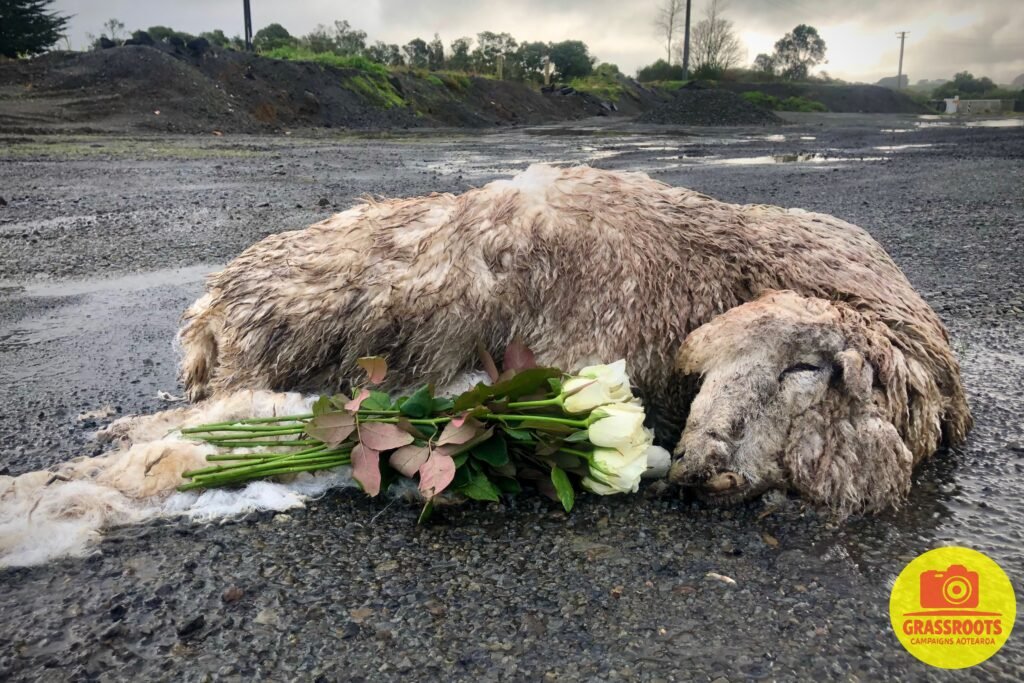
Slink Sheep - Dead Sheep
In farming, the term “slink” can refer to a premature lamb, often associated with complications such as disease, stress, or poor nutrition during pregnancy. “Slink skins” are the pelts of lambs that are stillborn, aborted, or die shortly after birth.
These pelts are extremely thin and delicate, with very fine, short wool compared to fully developed lambskin. In some cases, they are processed within the leather and fur industry for luxury products such as gloves, garments, and linings because of their soft texture.
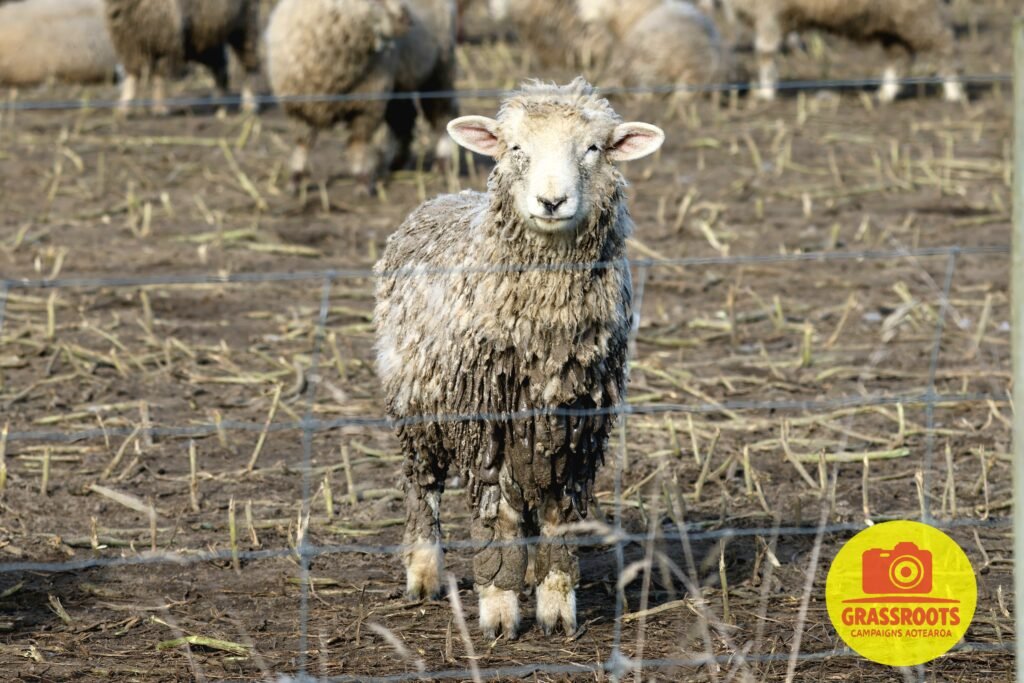
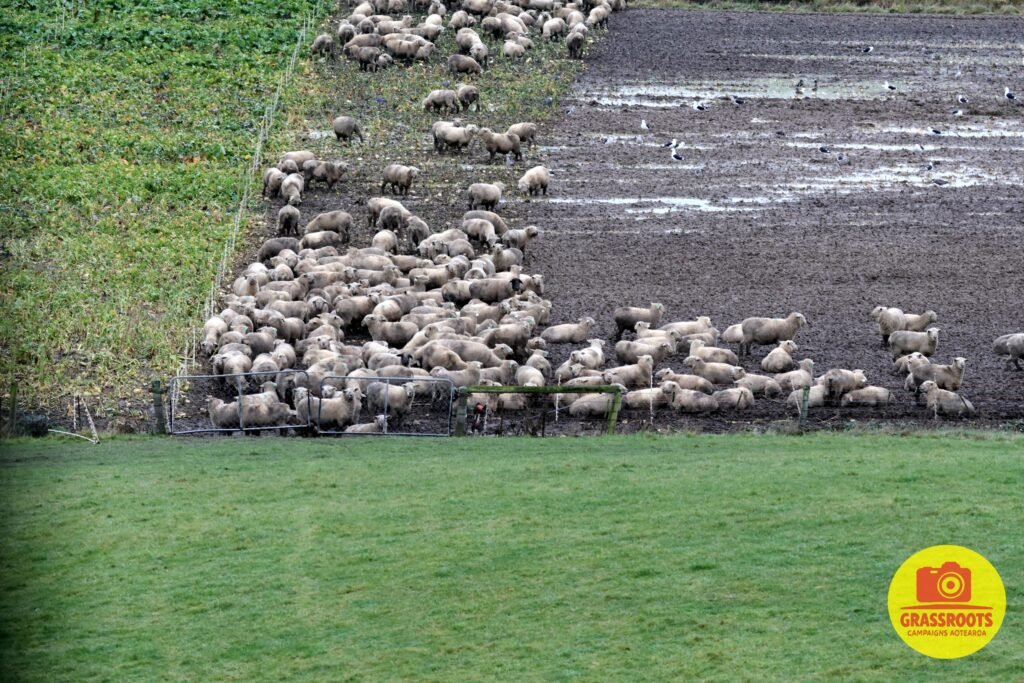
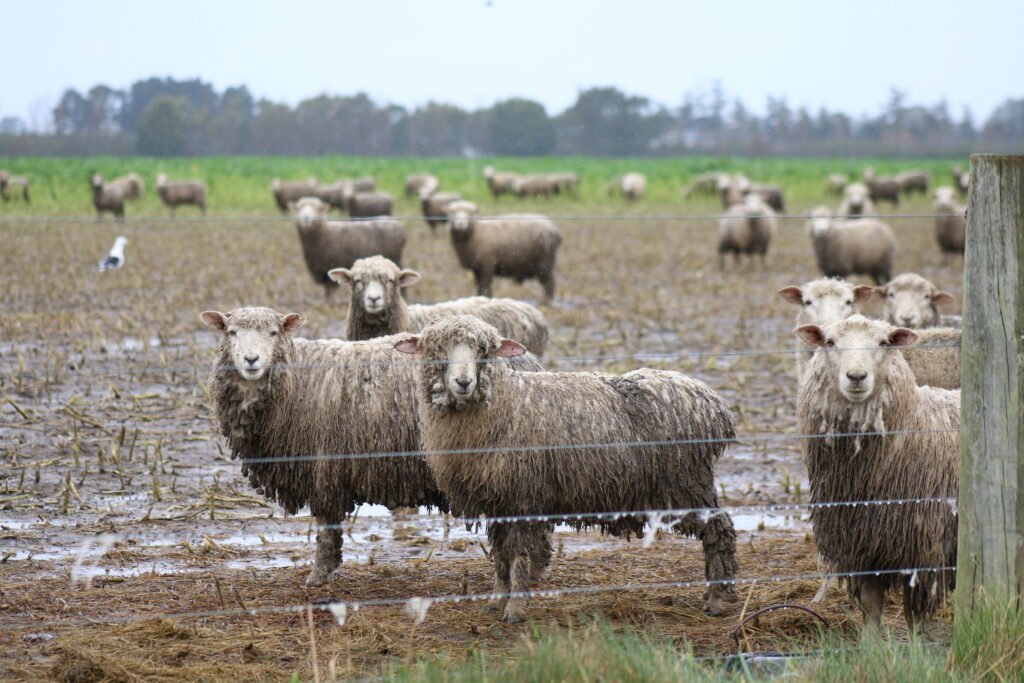
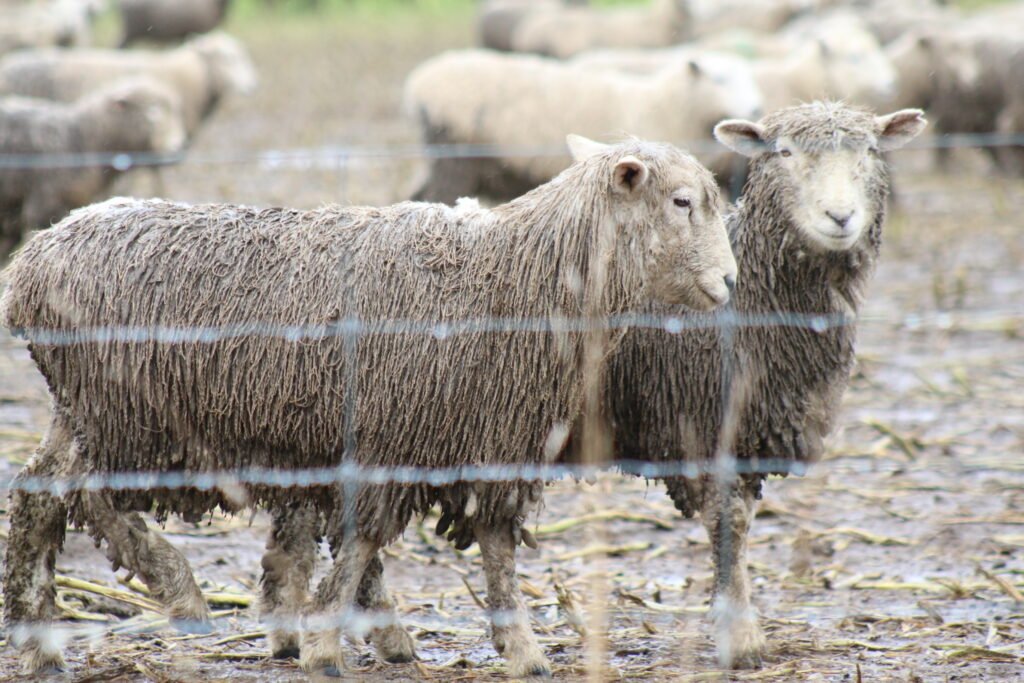
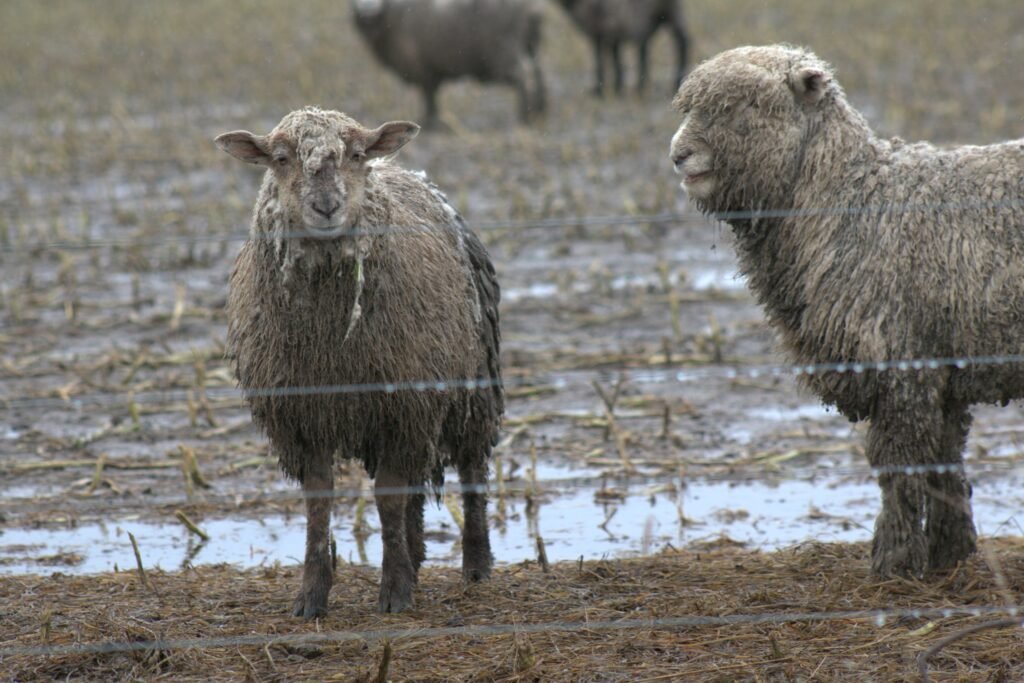
Mud Farming (sheep)
Intensive winter grazing of sheep, often referred to as “mud farming”, is highly controversial due to its animal welfare and environmental impacts. During winter, high stocking densities combined with wet conditions can leave paddocks severely churned, forcing sheep to stand and move through deep mud for extended periods.