The New Zealand Government moved to strengthen protections for pigs by gradually eliminating the use of sow stalls – narrow metal enclosures that severely restrict the movement of pregnant pigs. In 2010, updated welfare regulations were introduced, reducing stall confinement to the first month of pregnancy by 2012 before prohibiting their standard use altogether from 2015 onward.
These reforms came after growing public concern and sustained advocacy from animal welfare organisations. By 2016, sow stalls had largely disappeared from use across New Zealand pig farming. While the changes marked meaningful progress, controversial systems such as farrowing crates continue to be permitted, highlighting that the debate around pig welfare in Aotearoa is far from resolved.
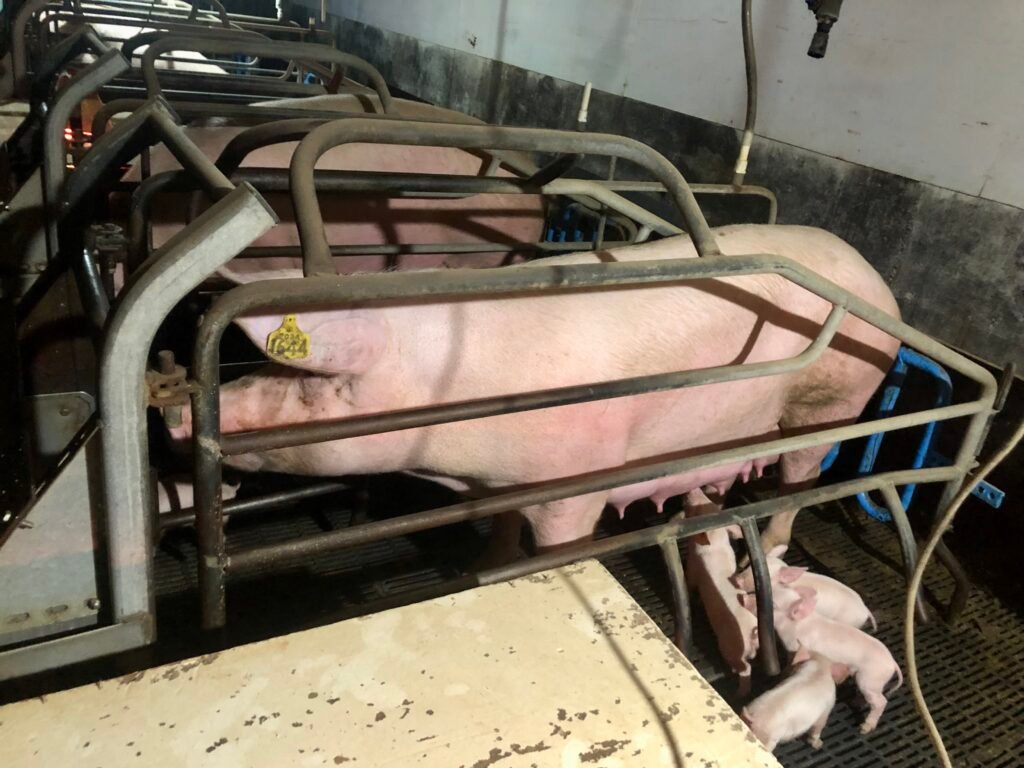
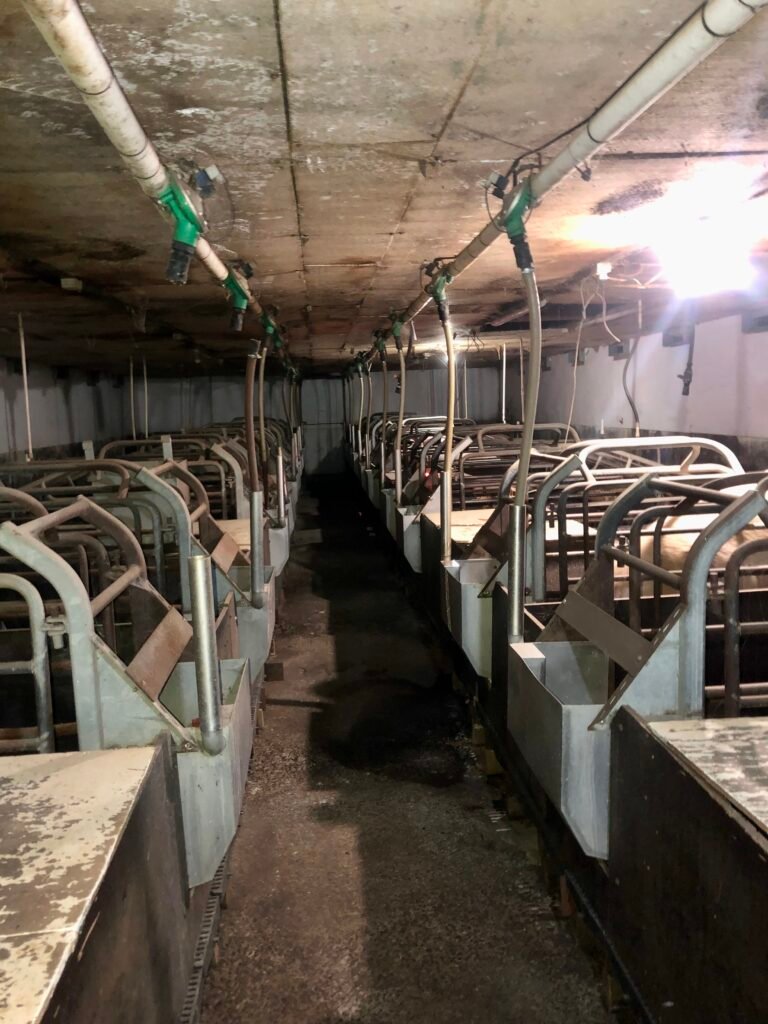
Farrowing crates are so restrictive that mother pigs are often unable to properly turn around, walk freely, or express natural maternal behaviours such as nest-building and interacting normally with their piglets. Critics argue that prolonged confinement causes both physical suffering and severe psychological distress.
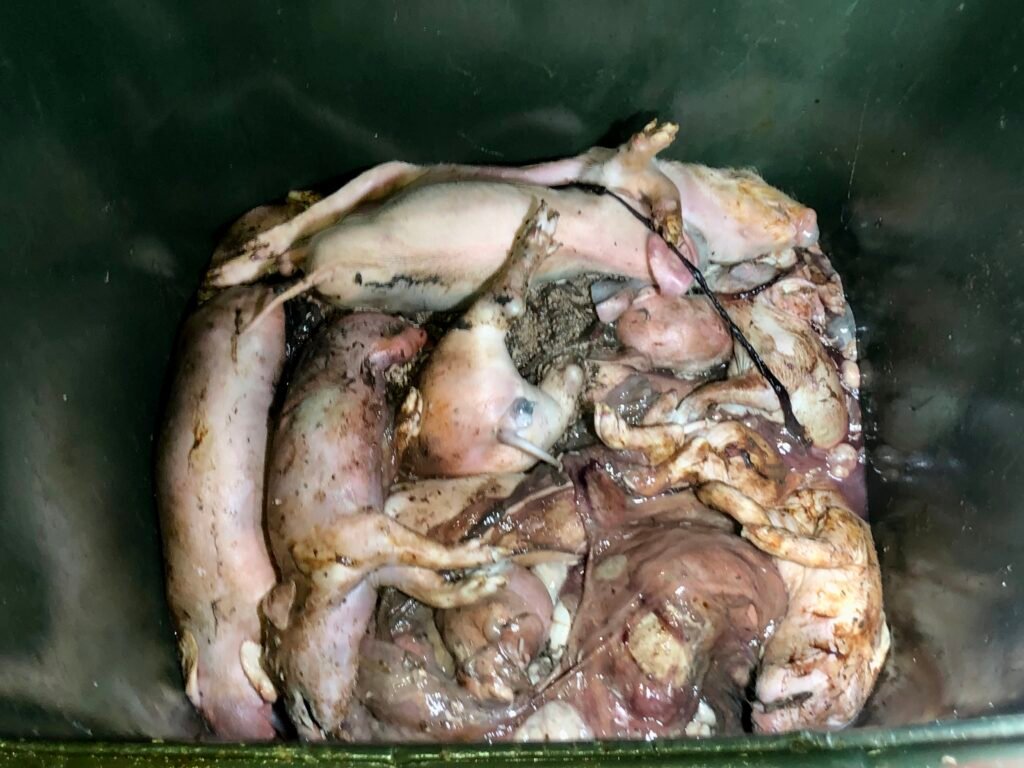
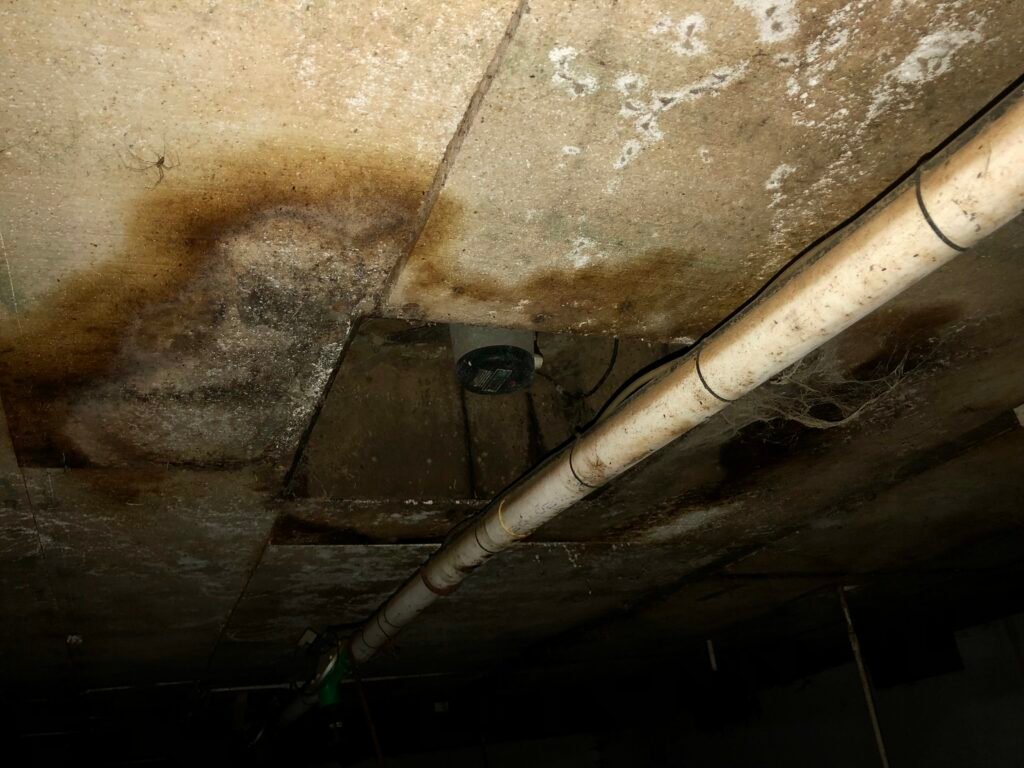
Beyond confinement systems, pigs raised in factory-farmed conditions often endure barren environments with little stimulation, overcrowding, harsh concrete flooring, and chronic stress.